

How to Play Poker on Low Boards: Reading the Dry Spots at the Table
Most poker hands don’t arrive with a river card that paints a masterpiece. More often, you’re staring down a board that looks like it’s been left out in the sun too long – three low cards, two of them disconnected, and no obvious flush or straight waiting to bloom. That’s the moment where how to play poker on low boards separates the players who just call and the ones who actually extract value. At a live table in Melbourne, you’ll see it on a Saturday arvo when the dealer pulls a dry run and the whole room suddenly tightens up; the right read there is worth more than any pretty hand.
When the flop comes out low and uncoordinated, your first job is to stop pretending the board tells a story it isn’t telling. A 4-5-9 rainbow with a ten on the turn doesn’t suddenly become a monster draw just because someone shoves. You’re reading texture, not drama. Low boards reward players who can fold the top pair they wouldn’t blink at on a wet board, and who know when a modest c-bet is just a probe rather than a commitment. Position matters more here because the player acting last gets to see whether the dry cards actually hit anyone before they put money in. If you’re out of position, treat the board like a delayed Sydney train – just because it’s moving doesn’t mean you’re getting on. A small continuation bet can keep the initiative, but overplaying a mediocre holding on a low runout is how pots get stuck in the middle and then lost anyway.
The trick is to map your range against what a low board actually lets your opponent hold. On a 2-6-8 texture, a player calling two streets often has a pair, a gutshot, or a weak king or queen they’re hoping to improve. You don’t need a nuts hand to take the pot; you need a range that threatens a few better cards and enough discipline to back off when the board pairs or a flush draw finally appears. Betting sizes should stay measured – small enough to keep worse hands in, large enough to charge draws that actually exist. If you’re wondering how to play poker on low boards without turning every hand into a coin flip, the answer is usually less aggression, more information. Let the board do the talking, and only push when the runout clearly favours the hands you represent.
By recognizing these limited holdings, you can confidently barrel with a wide range while avoiding costly bluffs that get called down. Mastering this range advantage requires consistent practice, which is why many players turn to online platforms to refine their decision-making under pressure. You can explore structured drills and real-time feedback at play365 real wins to sharpen your execution on similar textures. Filmovmnogo
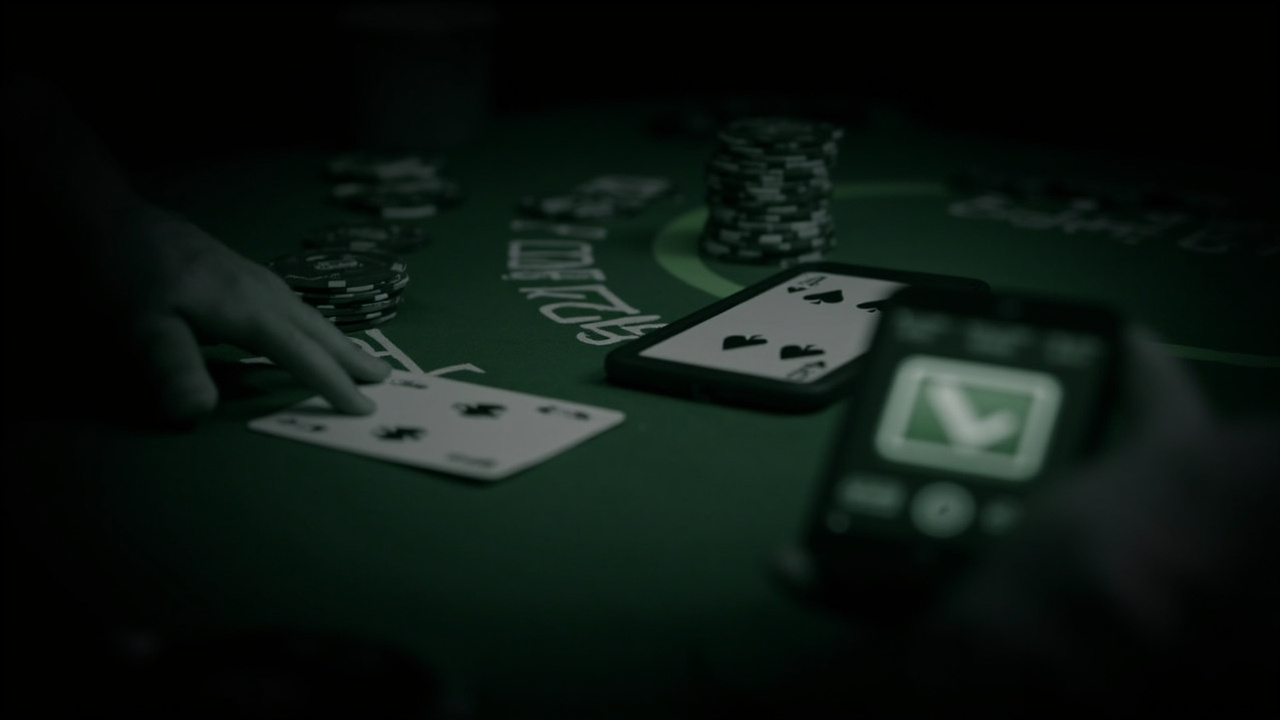
Table dynamics shift fast once the low board runs past the turn, and that’s where a lot of players misread their own strength. A modest pair that looked good on the flop can get crushed by a second barrel if the river brings a fourth low card that completes a straight for someone with a gutshot. The better play is often to slow down, check back a marginal hand, and keep the pot controllable rather than blowing it up on a scare card. You’ll also notice that low boards tend to favour tighter players who are happy to wait for a real hand, so loosening up without a plan usually just feeds their stack. If you’re playing online, the same principles hold, though the pace is faster and the feedback loop is tighter; you can see how a site like play365 real wins structures its lobby and table selection before you commit, which matters when you’re trying to find games where the low-board spots actually come up often enough to practice them.
Low-board discipline also ties into how you manage your own stack and the little side mechanics that sit around the main event. Most serious operators keep a few novelty markets running alongside the standard tables, and prop bets cover novelty outcomes within an event – think whether a specific low card hits on the river or how many hands go before a certain board texture appears. Those markets move differently from the main game, so they’re useful for reading table tempo without changing your core strategy. A small slice of every wager feeds the progressive pool, which means the longer you sit in on dry-run hands, the more you’re indirectly contributing to a pool that can pay out on a separate trigger. That’s not a reason to chase bad cards, but it does explain why some rooms keep low-board tables active even when the action looks quiet. The catch is that anomaly-detection software flags unusual betting patterns, so stacking bets on the same low texture across multiple tables can draw attention faster than you’d expect. Keep your play consistent, vary your sizing with the board, and you stay inside the normal rhythm rather than looking like you’re trying to engineer an edge.

| Board Texture | Typical Holding | Best Play |
|---|---|---|
| 2-5-8 rainbow | Weak pair, gutshot | Small c-bet, check back on turn if called |
| 3-6-9 with ten | Top pair weak kicker | Thin value bet, fold to raise |
| 4-7-J low runout | Missed draw, bluff catchers | Control pot, avoid overcommitting |
A few habits make low-board play cleaner: keep your bet sizes proportional to the actual threat on the board, fold top pair when the runout clearly narrows your range, and use position to see whether a dry flop actually gets hit before you commit. Treat the table like a packed Melbourne tram at peak hour – everyone’s squeezed in, but the ones who know when to hold their ground and when to let someone off get where they’re going without a fuss. If you’re testing these reads on a new lobby, it’s worth checking how a site like Neteller в онлайн-казино Нидерландов: платежи и проверка условий handles payments and verification before you move serious money around, because a smooth signup means less distraction when you’re trying to focus on dry-run decisions.
Low boards aren’t glamorous, but they’re where a lot of pots are won quietly. The players who do well there don’t chase drama; they read the texture, respect their range, and know when a modest hand is enough. Keep your sizing honest, stay aware of the side mechanics that sit around the table, and you’ll find that dry runouts become less of a headache and more of a place to take the edge.